


The Federal 25C Heat Pump Tax Credit is Gone: Incentives Massachusetts Homeowners Can Still Use
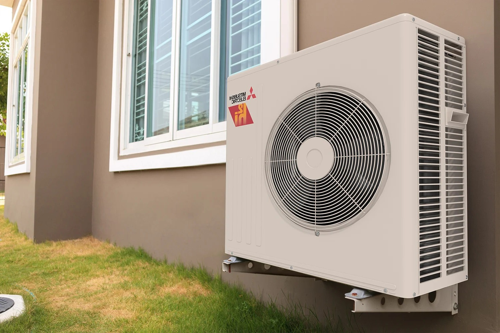
If you’ve been researching heat pumps lately, you’ve probably seen two storylines collide. On one side, heat pumps are a practical way to heat and cool a home with one high-efficiency system. On the other side, a lot of homeowners are trying to figure out what the switch really costs now that the federal tax credit headlines have changed.
Here’s the good news. Even in 2026, there are still meaningful Massachusetts incentives that can reduce your out-of-pocket cost, especially when you plan the project correctly and choose qualifying equipment.
1) The Federal 25C Heat Pump Tax Credit Isn’t Available for 2026 Installs
The federal Energy Efficient Home Improvement Credit (Section 25C) did offer a heat pump credit up to $2,000 per year, but current IRS guidance indicates it applied through 2025 and added new reporting requirements for 2025.
What that means in plain English: if your heat pump was installed and operational in 2025, you may still be able to claim it on your 2025 tax return. If you’re installing in 2026, you shouldn’t budget for that federal $2,000 credit unless federal rules change again.
Two details homeowners often miss:
- The IRS is clear that you claim the credit for the tax year when the property is installed, not when it’s purchased.
- Your heat pump also has to meet the applicable efficiency criteria the IRS outlines for the credit.
2) Mass Save Heat Pump Rebates Are Still a Major Lever in 2026
For most Massachusetts homeowners, Mass Save remains the biggest incentive available right now. Mass Save offers heat pump rebates (including air-source systems) and also layers in bonus opportunities tied to proper sizing and weatherization.
For example, Mass Save notes a $500 sizing bonus for partial-home rebates when the heat pump is sized to meet the home’s total heating needs, plus a $500 weatherization bonus tied to completing a Home Energy Assessment and recommended weatherization in the eligible timing window.
The exact rebate amount depends on whether you’re doing a partial-home or whole-home configuration and on your home and system design. The important takeaway is that the program is still active, and it’s designed to reward projects that are built correctly, not just projects that are rushed.
3) Mass Save 0% Financing Can Change the Monthly Math
Even when rebates help, the upfront cost can still be the blocker. Mass Save’s HEAT Loan is often the tool that makes a project doable without compromising on the quality of the equipment or the installation.
Mass Save states you may be eligible for 0% financing up to $25,000 for qualifying energy-efficiency upgrades through the HEAT Loan program.
From a homeowner perspective, this matters because it helps you spread cost over time while still capturing rebates. From our perspective at Top Notch HVAC Company, it also helps you avoid cutting corners on scope. Proper design, proper load calculations, and correct commissioning are where heat pumps succeed long-term.
4) Massachusetts Has Additional Program Directories and Incentives Worth Checking
If you want a broader, state-level view of what exists beyond Mass Save, Mass.gov maintains a guide to energy rebates and incentives that can help you orient yourself across program types.
Massachusetts also points residents to the energyCents database to find rebates, loans, and financing available in the state.
These are useful when you’re trying to understand what might stack with Mass Save in your specific situation.
What we recommend in 2026
If you’re considering a heat pump this year, the strategy is different than it was in 2025. Instead of anchoring your budget on a federal tax credit, focus on:
- Confirming which Mass Save rebates and bonuses your project can qualify for (We’re a qualified residential contractor for the program!)
- Checking whether 0% HEAT Loan financing is a fit for your household budget
- Designing the system based on your home’s load, insulation, and comfort goals, not just equipment tonnage
That’s exactly how we approach heat pump planning for homeowners across Norfolk County and MetroWest: no one-size-fits-all pitch, just the right system for the house, and clear guidance on the incentives that actually apply today. Get in touch with us to learn more!
