


Gas Bans and Electric Heat in Massachusetts: A Balanced Look at Electrification, Costs, and Incentives
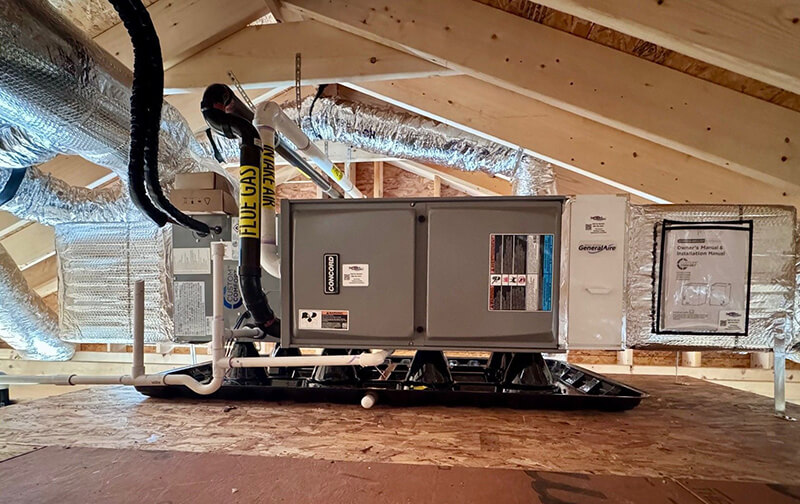
Across Massachusetts, electrification is reshaping how homeowners think about heating and cooling. One of the biggest shifts is the move away from oil- and gas-fired furnaces and boilers toward electric heat pumps.
We work with homeowners throughout the region on gas and electric heating options, and we see both sides of this transition. There’s real enthusiasm driven by incentives and climate goals, along with understandable concern about upfront costs and monthly utility bills.
Why Heat Pumps Are Gaining Momentum
The push toward heat pumps is closely tied to efficiency and emissions reduction. Programs like Mass Save offer rebates, zero-interest financing, and home energy assessments designed to make high-efficiency heat pumps more accessible. Unlike traditional systems that generate heat, heat pumps move heat, allowing them to deliver significantly more efficiency per unit of energy used. They also provide air conditioning in the summer, which adds year-round value for many homeowners.
From a policy standpoint, these incentives support Massachusetts’ broader climate strategy by lowering long-term energy use and reducing reliance on fossil fuels. For many households, especially those with well-insulated homes, the combination of rebates and modern cold-climate heat pump technology makes electrification an attractive option.
Real-World Cost Concerns
That said, homeowner experiences aren’t uniform. Some Massachusetts residents who switched to all-electric heating have reported higher-than-expected electric bills during winter. A report from WCVB highlighted cases where homeowners were surprised by cold-weather electricity costs, even after accounting for rebates. These concerns are amplified by the fact that New England electricity rates are among the highest in the country.
Steps Toward Lower Winter Bills
It’s important to note, there are signs of progress on affordability. Massachusetts regulators have directed utilities to introduce discounted winter electricity rates for heat pump users. These seasonal rate adjustments could reduce heating costs by roughly 15 percent during colder months, helping address one of the most common homeowner concerns.
Planning Matters More Than Ever
Because of these variables, a thorough energy assessment is critical before making the switch. Programs like Mass Save can help identify insulation gaps, air leakage, or electrical upgrades that may affect performance and costs. In many cases, addressing the building envelope first can significantly improve heat pump results and help avoid bill shock.
Electrification and Housing Growth
Electrification is also influencing new construction. A Canary Media profile of a Massachusetts town that restricted natural gas in new buildings showed that housing development continued to grow. The example suggests that all-electric building codes don’t necessarily slow construction and can support efficient, lower-emission homes when planned correctly.
The Bottom Line for Homeowners
Heat pumps are not a one-size-fits-all solution. For many Massachusetts homeowners, rebates, improving technology, and long-term energy savings make electrification a smart investment. For others, particularly those in older homes or with tighter budgets, careful analysis and realistic expectations are essential.
At Top Notch HVAC Company, we focus on helping homeowners understand the full picture. Through detailed assessments, side-by-side cost comparisons, and honest conversations, we help you decide whether electrifying your heating and cooling system makes sense for your comfort, your budget, and your long-term goals.
