


How Much Does Water Heater Installation Cost in Manchester, NH
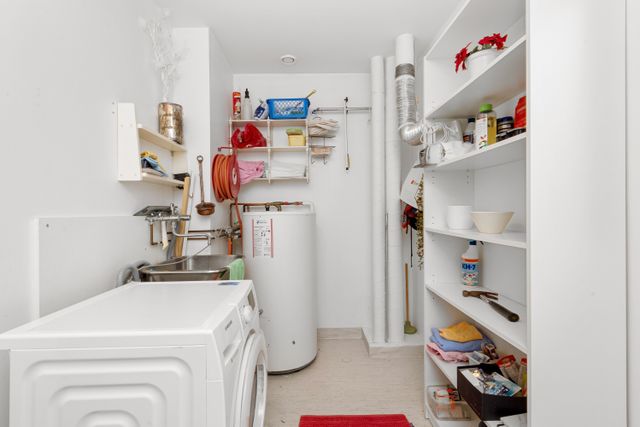
Most homeowners don’t think about their water heater until it stops working. When yours starts showing warning signs, “what’s this going to cost?” is usually the first question. Here’s a straight breakdown of water heater installation cost in Manchester and the surrounding towns, including the factors that move the number up or down, so you walk into your estimate knowing what to expect.
Quick Answer: Water Heater Installation Cost in Manchester NH
Nationally, a standard tank water heater system runs roughly $2,800 to $5,700 installed, with an average around $3,000. Tankless systems cost more: the typical range is $6,800 to $7,800, averaging around $7,000.
Four factors drive the final number: tank vs. tankless, unit size, gas vs. electric, and whether your home needs any system changes to support the new unit. A straightforward tank-for-tank swap costs less than a tankless upgrade or a fuel-type conversion, which involves more labor. The only accurate number for your home comes from a free water heater installation estimate with a flat written price before any work starts.
What Goes Into Water Heater Installation Cost
Every quote comes down to the same four variables.
Tank or Tankless
Tank water heaters store a set amount of hot water and keep it warm around the clock. Lower up-front cost, simpler installation, shorter lifespan (typically 8 to 12 years).
Tankless units heat water on demand as it flows through. Higher up-front cost, more involved installation, longer lifespan (often 20-plus years), and lower monthly energy use. If gas line or electrical upgrades are needed to support the new unit, those add to the total.
Size
Bigger units cost more. For tanks, that’s measured in gallons: a 40-gallon unit for a two-person household runs less than a 75-gallon for a family of five. Tankless units are sized by flow rate rather than gallons, but the same principle applies. More capacity means higher cost.
Gas vs. Electric
A like-for-like replacement with the same fuel type and basic setup is the simplest and cheapest scenario. Switching from electric to gas (or gas to electric) means new line work, which adds both labor and materials to the quote.
Your Existing Setup
A clean, accessible install in an open utility area runs cheaper than a tight closet with outdated venting or a corroded shutoff that needs replacing before anything else can happen. Older homes sometimes require code updates before a new unit can go in. A technician identifies all of this during the estimate, not after.
What Most Cost Guides Leave Out: Permits in NH
This one catches people off guard. Water heater replacements in New Hampshire often require a plumbing permit, particularly for tankless installations and any job involving a fuel-type change or venting reconfiguration. The permit itself is usually a modest cost, but it matters. An unpermitted installation can surface during a home inspection and create complications at resale. Ask your installer upfront whether a permit applies to your job and confirm it’s included in the written quote before you sign anything.
Planned vs. Emergency Replacement: Why Timing Affects Your Total
A failing tank usually telegraphs its problems before it quits completely: rust-colored hot water, a puddle forming at the base, rumbling from sediment buildup. Replacing before failure is almost always cheaper than replacing after.
Here’s why timing matters:
- An emergency situation removes your ability to plan for the right unit at the right price
- A leaking tank can cause water damage to floors, walls, and stored items, adding cost well beyond the water heater itself
- A planned replacement gives you time to ask about rebates, financing options, and proper sizing
If you’re seeing warning signs, the most affordable move is calling before it floods.
Tank vs. Tankless Over Time
Looking at up-front cost alone misses part of the picture.
Tank: Lower initial investment. Replaced every 8 to 12 years. Runs less efficiently because it maintains water temperature continuously, even when nobody’s home.
Tankless: Higher initial investment. Often lasts 20 years or more. Lower monthly operating cost. Mass Save and other rebate programs can offset some of the premium for qualifying equipment, depending on what’s currently active in your area.
Staying in your home for a decade or more? Tankless can make financial sense over the full window. Want the most reliable fix at the lowest immediate cost? A tank replacement is hard to beat.
How Manchester-Area Homeowners Keep the Cost Down
A few practical moves that consistently help:
- Replace before failure. A planned swap avoids emergency pricing and protects against secondary water damage costs.
- Ask about Mass Save and rebates. Efficiency programs can reduce the net cost of qualifying equipment. Your installer should know which programs are currently active.
- Right-size the unit. Oversizing wastes money up front and on every energy bill afterward. A proper estimate includes a sizing conversation.
- Confirm haul-away is included. Some quotes don’t cover removing the old unit. Make sure yours does before you agree to anything.
Getting a Real Number on Water Heater Installation Cost in Manchester
Top Notch HVAC offers free, same-day estimates with a flat written price before any work starts. There’s no commission structure pushing a particular unit. You get an honest recommendation based on your home, your household size, and your budget. Haul-away of the old unit is part of the job.
