


Norfolk County Heat Wave: How to Keep Your AC Running When It Hits Triple Digits
Temperatures across the region are pushing past 100 degrees this week, and your air conditioner is about to work harder than it has all year. A Norfolk County heat wave this severe tends to expose the systems nobody checked beforehand. Here’s how to keep yours off that list.
Surviving the Norfolk County Heat Wave: The Short Version
Keep your system alive by clearing space around the outdoor unit, swapping a dirty filter, and holding a steady temperature instead of cranking it as cold as it goes. If your AC is already struggling, booking AC repair and service before the peak days beats waiting until it quits in triple-digit heat. Forecasters expect the worst of it Thursday and Friday.
What’s Happening Across Metro West This Week
Norfolk County sits under an Extreme Heat Warning from 10 a.m. Wednesday, July 1 through 8 p.m. Saturday, July 4, with the heat index climbing as high as 115 degrees, according to Boston 25 News. The National Weather Service called it “a prolonged and dangerous heat wave with little relief at night,” which is the part that matters most for your equipment. Systems that get no overnight break run for days without ever catching up.
Cities and towns are opening cooling centers at libraries and municipal buildings, and residents can call 211 to find the nearest one. The state’s unhealthy heat forecast is worth checking daily if anyone in your home is older, very young, or managing a health condition. Mass Save is also offering a $40 rebate on qualifying room air conditioners for people who need a stopgap.
Getting Your AC Ready for a Norfolk County Heat Wave
Most of what protects your system takes ten minutes and no tools. Before the hottest days land, run through this:
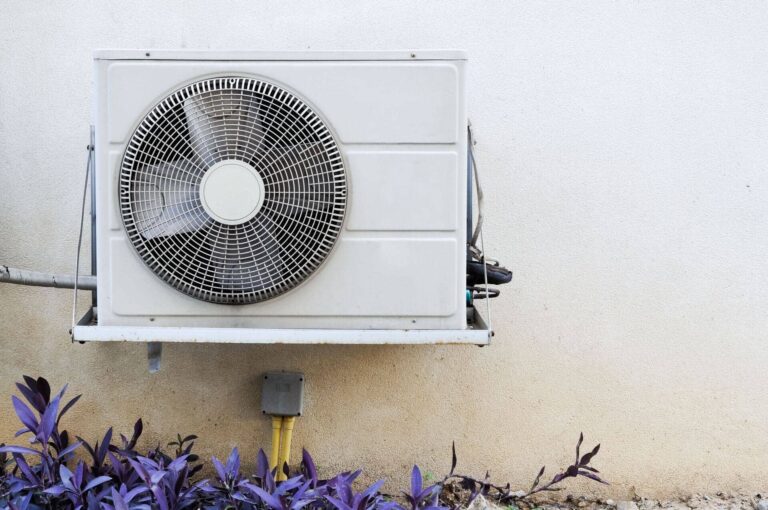
- Clear leaves, grass clippings, and debris at least two feet back from the outdoor condenser so it can breathe.
- Replace the air filter if it’s gray or clogged. A blocked filter chokes airflow and freezes up the coils.
- Set the thermostat to a steady, reasonable number and leave it there. Dropping it to 65 doesn’t cool the house faster, it just runs the compressor into the ground.
- Close blinds on the sun-facing side of the house through the afternoon.
- Listen for new sounds. Grinding, buzzing, or short-cycling means call someone now, not Saturday.
If your unit is more than ten years old or hasn’t had a preventative maintenance visit this season, that’s the highest-risk group during a stretch like this. A quick tune-up catches a weak capacitor or low refrigerant before the heat exposes it.
What Most Heat-Wave Advice Leaves Out
Here’s the part you won’t find in the standard “beat the heat” checklist. The most common failure during a stretch like this isn’t the whole system dying, it’s the run capacitor giving out. That small part is rated for normal temperatures, and when the air around the unit sits at 110-plus for hours, it cooks. The AC hums, the fan won’t spin, and the house creeps toward 85 degrees.
The other overlooked point: a window unit is a bandage, not a fix. It might cool one room, but if your central system is failing under load, patching a single bedroom leaves the rest of the house dangerous during a multi-day event. If you’re weighing a real fix, a high-efficiency cooling upgrade also trims what you pay to run it, and that matters when electricity rates in Massachusetts are among the highest in the country. That kind of upgrade pays off in July and again in January.
When something does go wrong at 9 p.m. on a 102-degree night, that’s exactly what 24/7 emergency HVAC service is built for.
What to Do Before the Next Norfolk County Heat Wave
The heat gripping the area right now won’t be the last stretch like it this summer. Spend ten minutes clearing your condenser and changing your filter today, and get a professional set of eyes on any system that’s older or already acting up. That’s the difference between riding out the next spike in comfort and sweating through a repair call with everyone else in town. You can request an estimate and we’ll make sure your system is set before the next one hits.
