


R-410A Phase Out: What Repairing an Older AC Actually Costs Metro West Homeowners Now
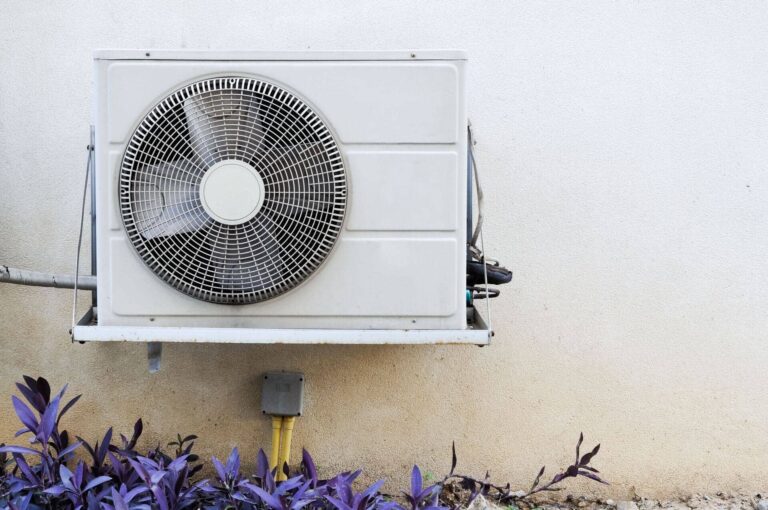
If your air conditioner is more than ten years old, it almost certainly runs on R-410A, and that refrigerant is getting scarcer every year on a federal schedule. The R-410A phase out does not make your system illegal and it does not force you to replace anything. It does change the math on a big air conditioning repair, which is better to understand in April than during a July breakdown.
Quick Answer: What the R-410A Phase Out Means for Your Repair Bill
You can still repair and recharge an existing R-410A system, including replacing a major component like a compressor or a condensing unit. The EPA is explicit that the technology transition restrictions apply only to new products manufactured, imported, or installed after the compliance date. What’s changing is price, because production of the refrigerant itself is being cut year by year.
What the Federal Phase Down Actually Requires
The rules come from the AIM Act, which directs the EPA to phase down production and consumption of hydrofluorocarbons by 85% by 2036. It doesn’t happen all at once. Per the EPA’s phasedown guidance, allowances step down in stages: 90% of baseline for 2020 through 2023, 60% for 2024 through 2028, 30% for 2029 through 2033, 20% for 2034 and 2035, then 15% from 2036 forward.
Read that schedule again and the pressure point becomes obvious. We’re in the 60% band now. In 2029 it drops to 30%, meaning legal production gets cut roughly in half while millions of R-410A systems are still sitting in American basements and side yards needing refrigerant.
Separately, the EPA’s Technology Transitions Rule moved new residential air conditioning and heat pump equipment to lower-global-warming refrigerants, which is why the systems on a supply house shelf today are charged with R-454B or R-32 instead. In a September 2025 reconsideration proposal, the EPA proposed letting equipment manufactured or imported before January 1, 2025 continue to be installed indefinitely, which loosens the transition rather than tightening it.
None of that reaches into your house. The EPA states plainly that you can continue to repair your existing air conditioning and heat pump system, and that repairing includes replacing a major component.
Why the R-410A Phase Out Is Raising Repair Bills, Not Banning Repairs
It’s supply and demand with a legislated supply curve. Production allowances shrink on a fixed calendar while the installed base of R-410A equipment shrinks much more slowly, because a well-maintained system lasts fifteen to twenty years. Reclaimed refrigerant fills part of the gap, but reclaiming costs money too. The result is a per-pound price that trends up, and it shows up on your invoice any time a technician has to add charge.
When a repair still makes clear sense
- The system is under ten years old and has been maintained.
- The failure has nothing to do with refrigerant: a capacitor, a contactor, a fan motor, a control board, a thermostat.
- The leak is accessible and genuinely repairable, like a fitting or a service valve.
- The charge the system needs is small.
In those cases the refrigerant price is a rounding error on the repair, and replacing a working system to get ahead of a phase down makes no financial sense.
When the math flips
- Repeat recharges. A system that needed refrigerant last summer and needs it again this summer is leaking. Adding more is renting time, not fixing anything, and each rental costs more than the last.
- Compressor failure on a system past twelve years. The part, the labor, and a full charge on an aging cabinet often approach a meaningful share of new equipment.
- A corroded evaporator coil. Coil replacements are labor-heavy and require a full recharge, which is exactly the repair the phase down makes more expensive over time.
If you’re in that territory, get the repair number and the full system replacement number side by side in writing before deciding. The right call depends on the age, the failure, and what you’d gain in efficiency, not on a headline about refrigerant.
What Most Coverage Misses
Two things, and both of them cost homeowners money.
First, the common headline version of this story is that R-410A is banned. It isn’t. The restriction applies to new equipment entering the market, not to servicing what you already own, and the EPA says so directly. There is no date on which your working system becomes unserviceable. If anyone uses a phase-out deadline to pressure you into replacing a healthy system this week, that’s a sales tactic, not a regulation.
Second, on an older system the refrigerant price usually isn’t the real expense. The leak is. A system running low on charge doesn’t just cost you a recharge, it runs longer for the same cooling, strains the compressor, and pulls more electricity every single month until it’s fixed. That quiet loss on the electric bill typically outruns the invoice for the refrigerant. This is also why annual maintenance pays for itself on older equipment: catching a small leak early is the difference between a fitting repair and a coil.
Final Thoughts on the R-410A Phase Out and Your Older System
The R-410A phase out is a supply schedule, not a ban. You can service and recharge your system for as long as it makes sense to, and the EPA’s own guidance confirms it. The date worth marking is 2029, when allowances drop from 60% of baseline to 30%. If your system is already twelve or fifteen years old and leaking, that’s the window where waiting starts to cost more than acting.
The honest answer on any specific system depends on what’s actually wrong with it. We’ll diagnose it, tell you what it needs, and put the repair and replacement numbers in writing before anything gets approved. Our techs aren’t paid on commission, so nobody has a reason to talk you into a system you don’t need. You can request a free estimate and we’ll take a look. Same-day appointments when scheduling allows, and 24/7 emergency service if it quits on the hottest day of the year.
